No. 3107, The Sevener, No. 7, 1955
Arne Jacobsen Fritz Hansen
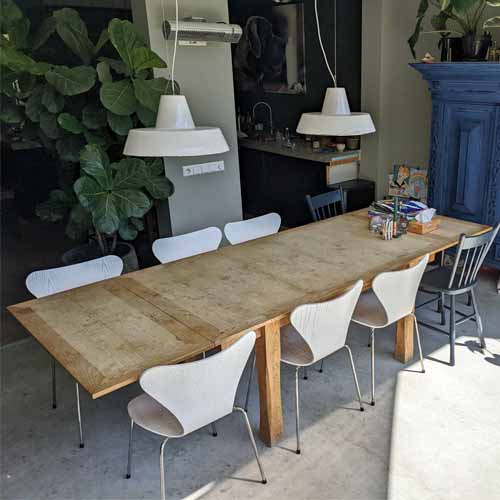
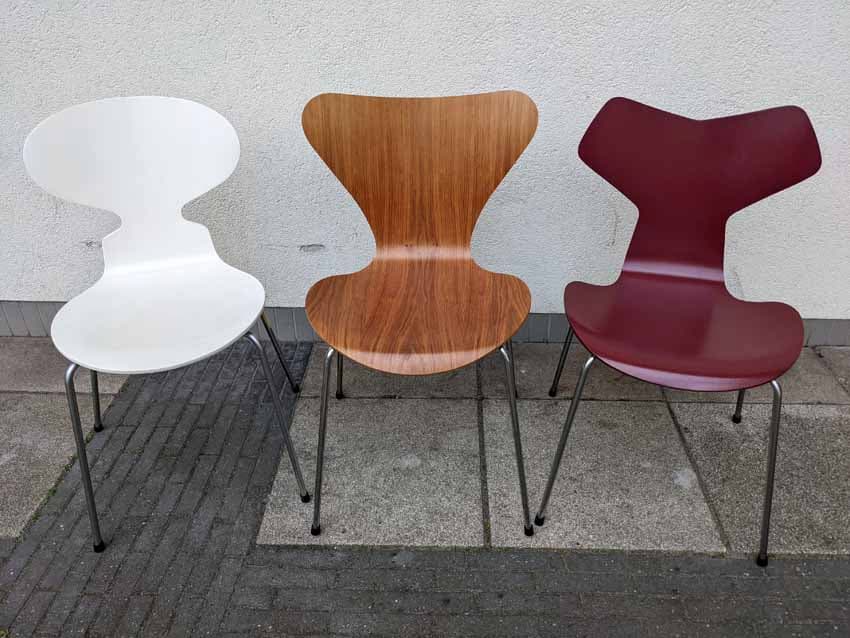
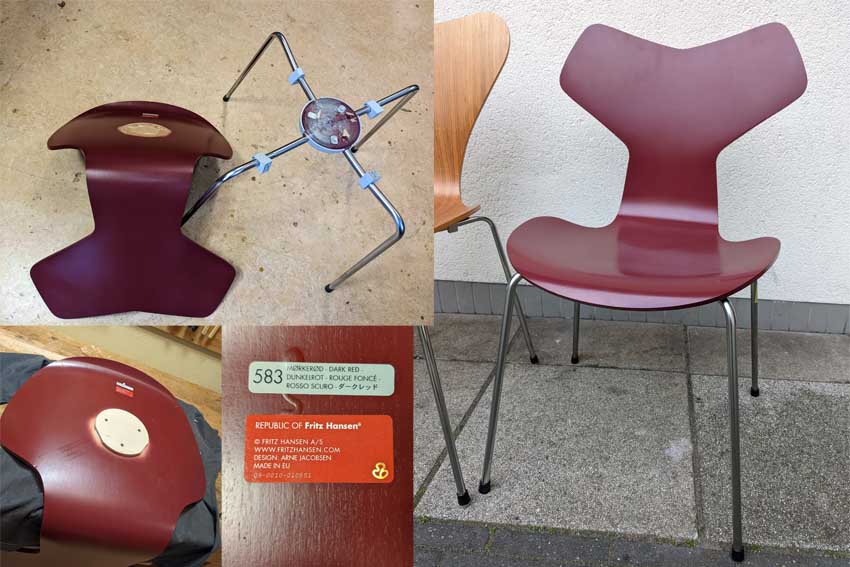
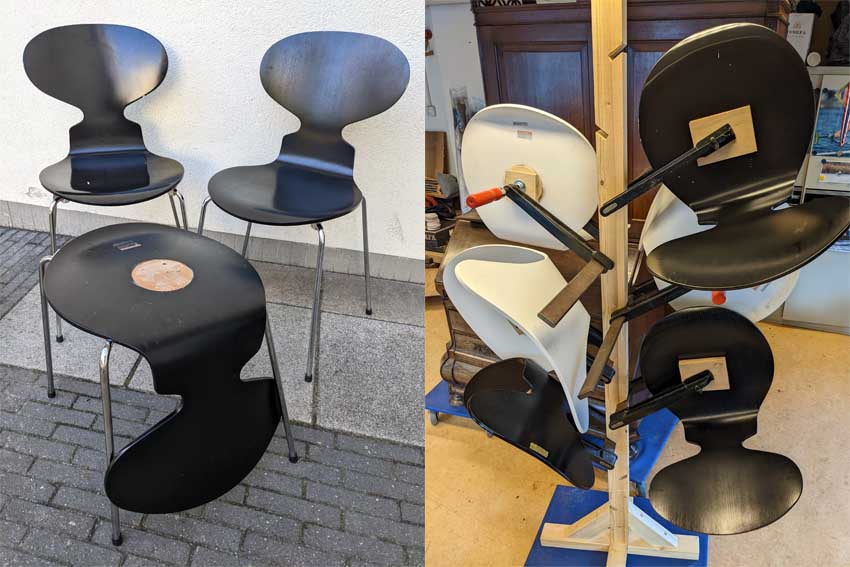
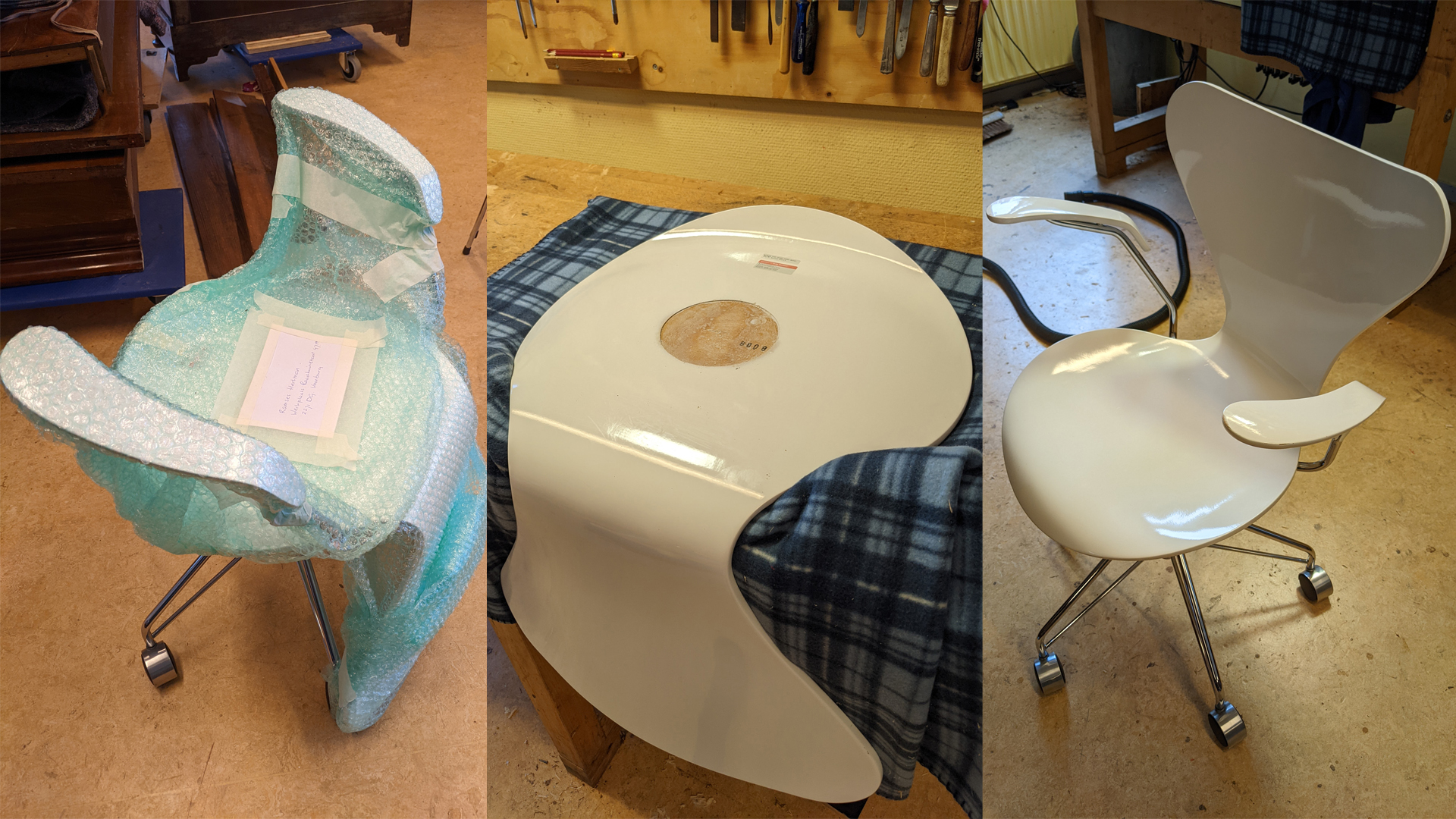
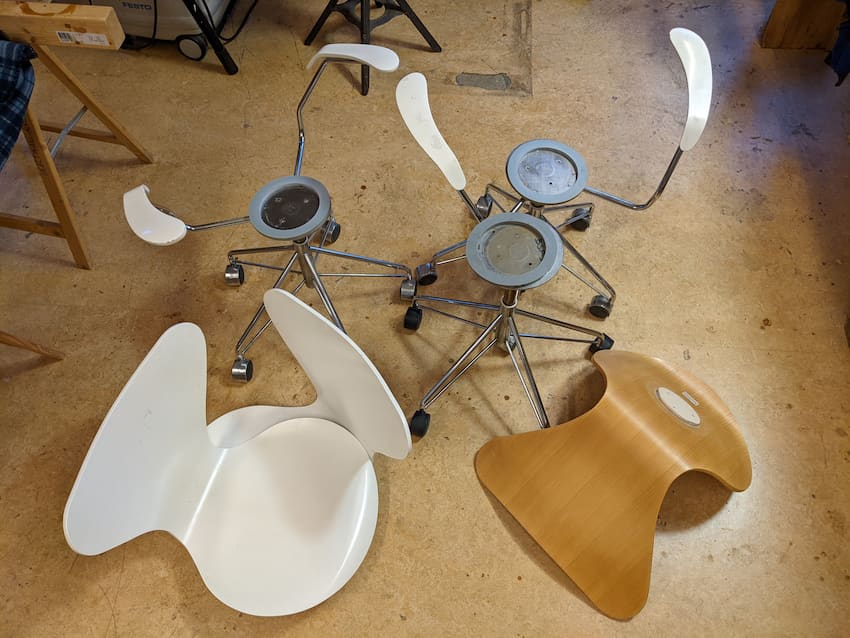
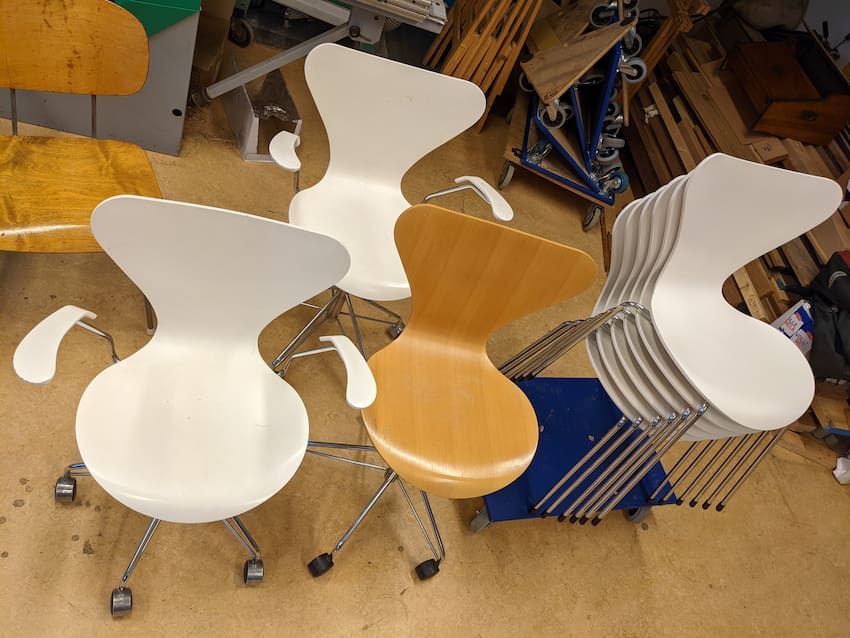
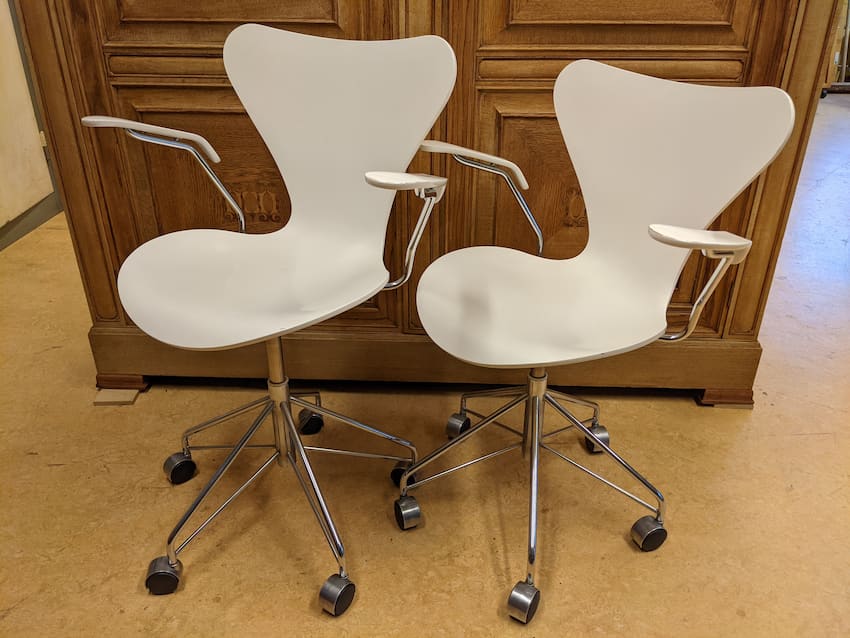
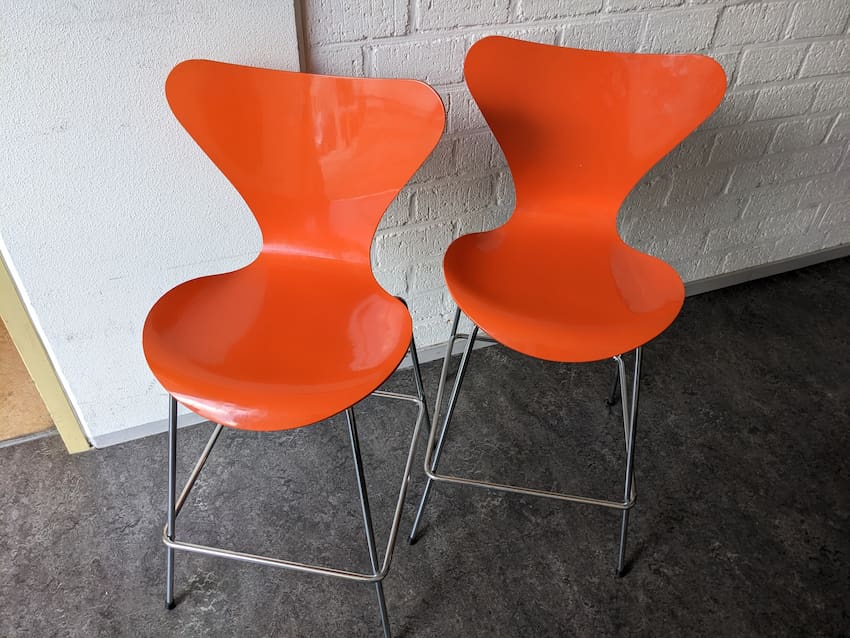
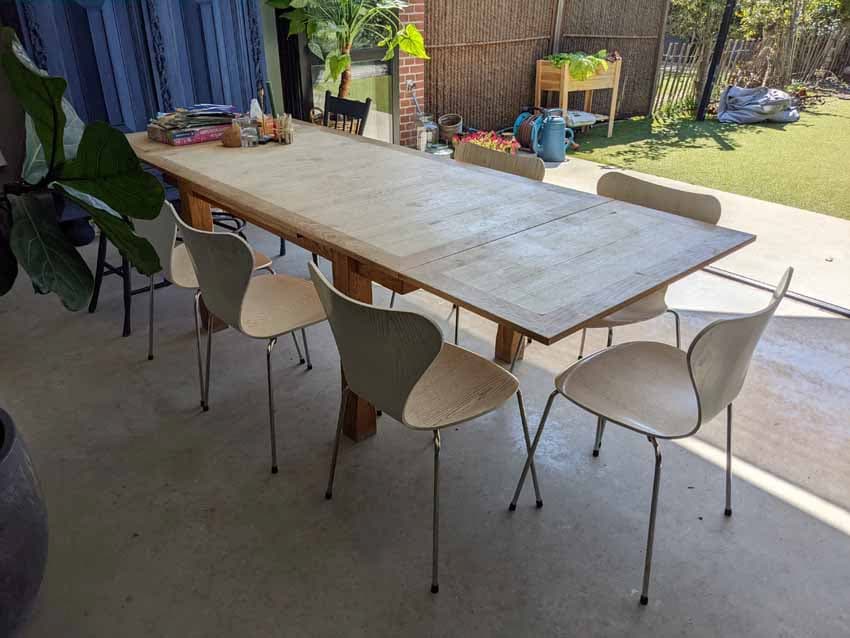
In 1955, four years after introducing the iconic Ant chair, Arne Jacobsen unveiled another timeless masterpiece for Fritz Hansen: the No. 3107, more famously known as the Sevener. While the Ant was bold and distinctive, the Sevener struck a balance—its sleek silhouette was more universal, instantly resonating with a broader audience. With its elegant, slightly larger seat shell and a backrest wide and tall enough to lean an arm on when sitting sideways, the chair offered both beauty and comfort.
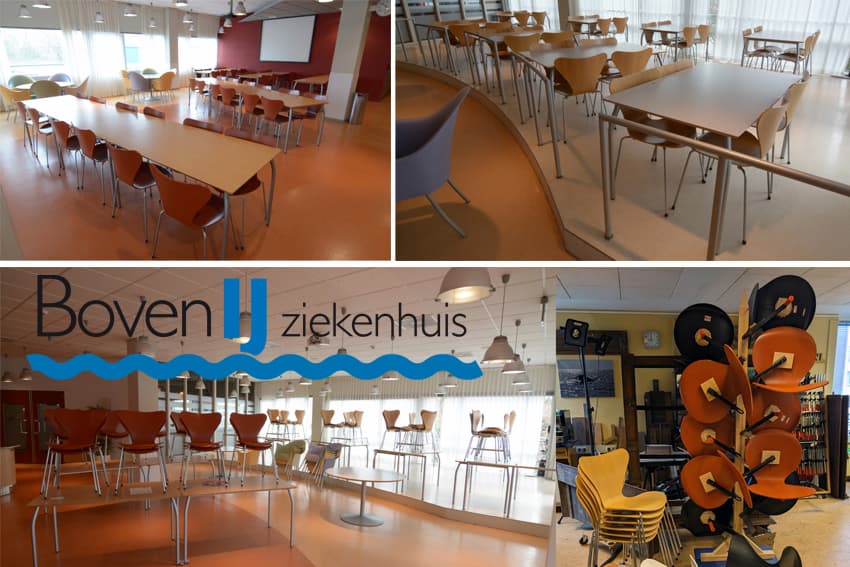
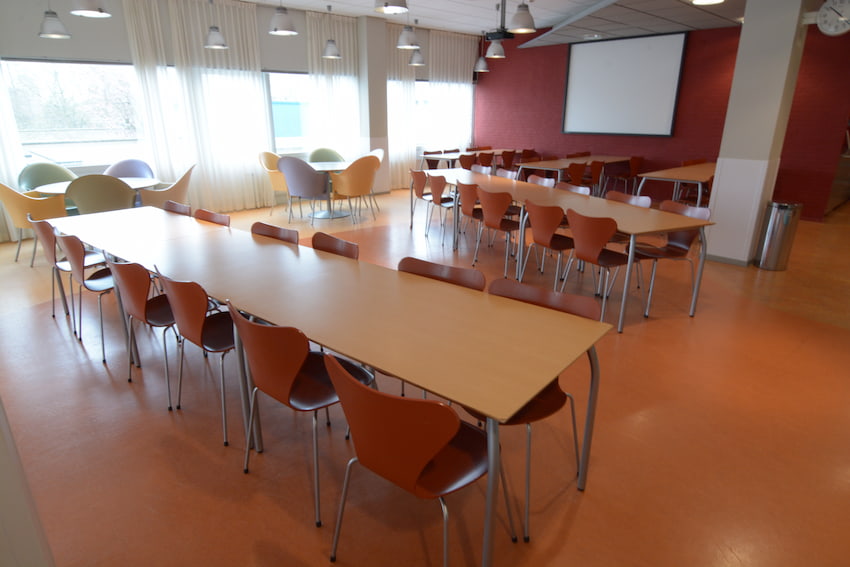
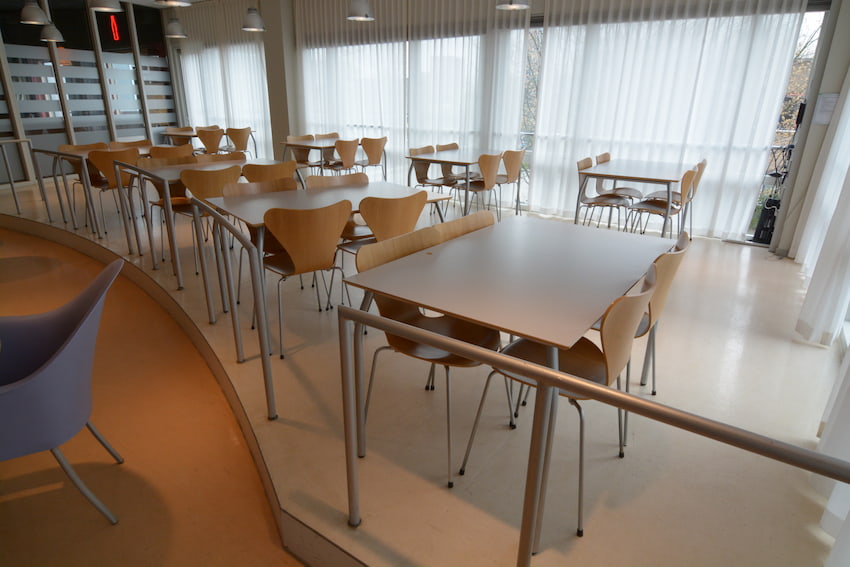
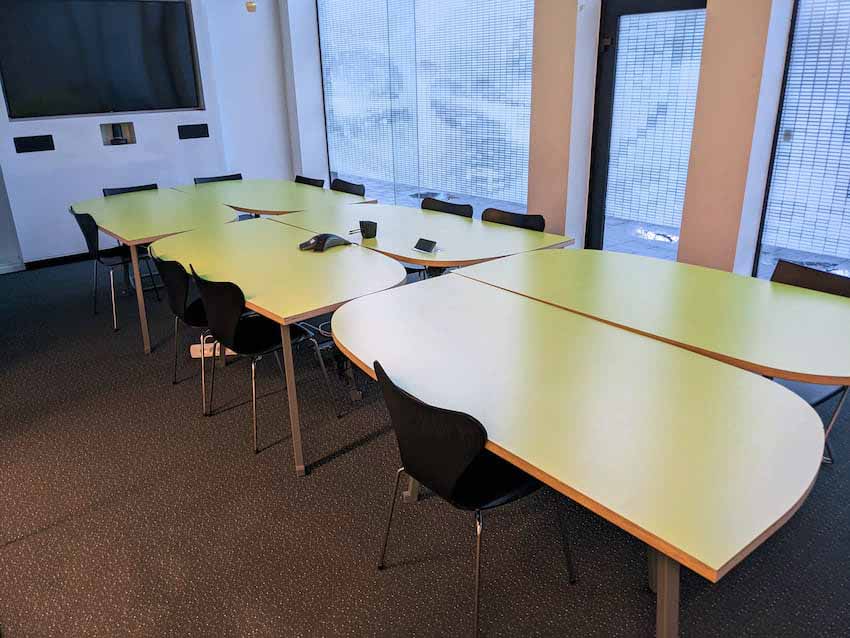
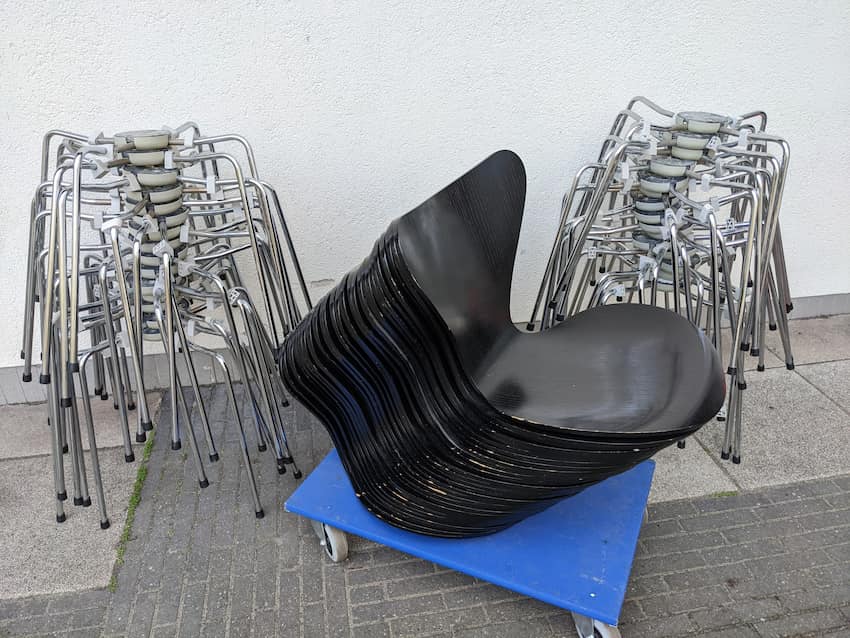
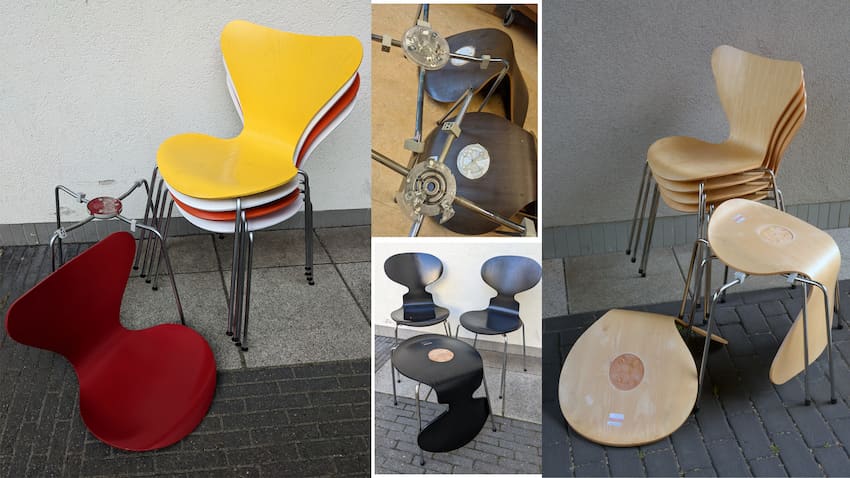
Designed for versatility, the Sevener found its place everywhere—from stylish private homes to refined public institutions and dynamic workplaces. Its stackable design and optional brackets for row setups added practical appeal. But its true magic lies in the illusion it creates: the seat shell appears to float, thanks to its slim, gleaming legs that reflect their surroundings like light sculptures.
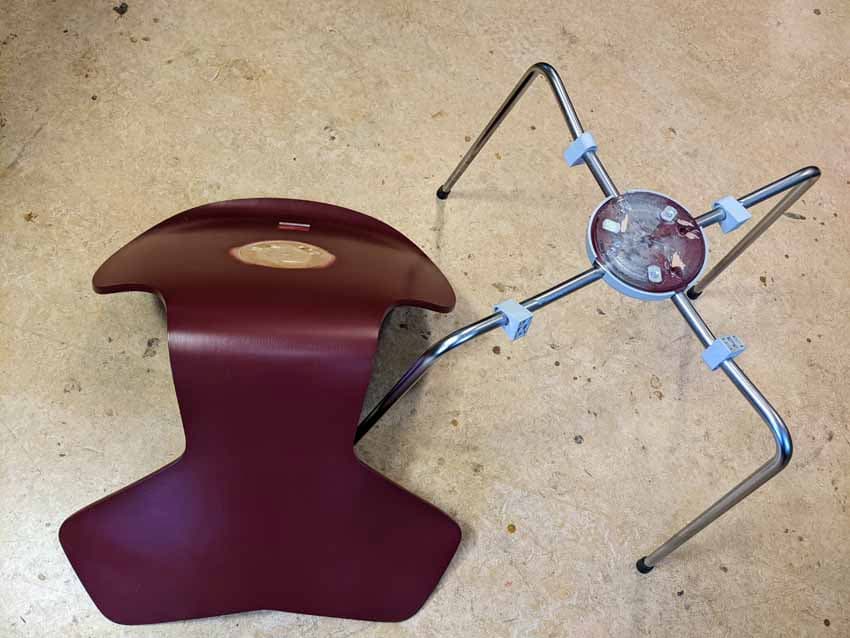
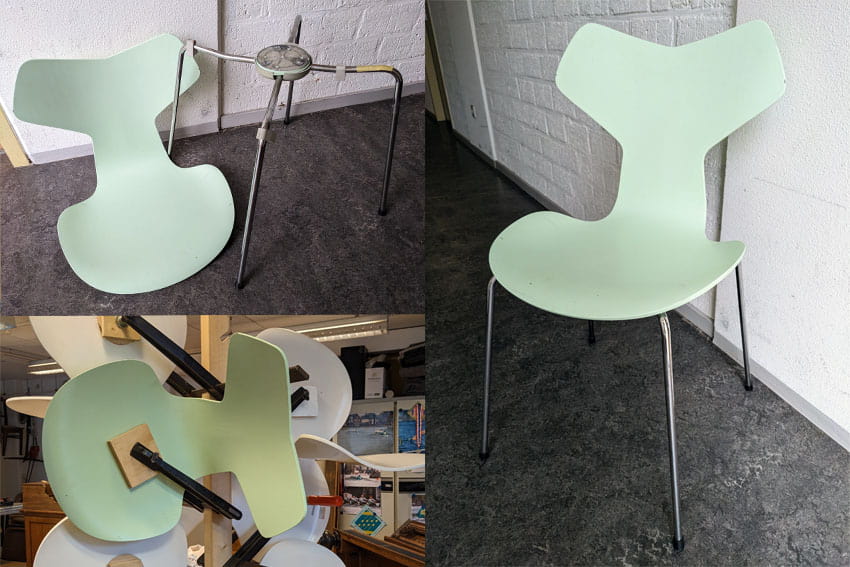
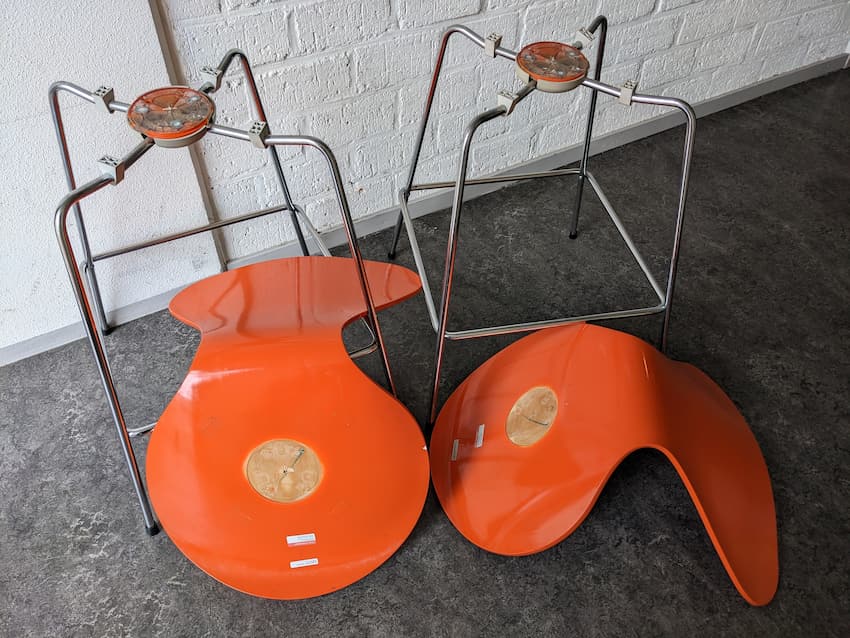
This sculptural feel is also deeply tied to the material. The chair’s characteristic narrow waist wasn’t just an aesthetic choice—it was a technical necessity that enabled the plywood to bend gracefully in three dimensions. The seat’s gentle springiness, enhanced by rubber inserts between the shell and frame, brings a quiet comfort to its form.
Jacobsen’s visionary use of plywood was sparked by his admiration for the work of Charles and Ray Eames, whose designs he encountered during a trip to the United States. That inspiration, paired with Jacobsen’s Nordic design sensibility, resulted in what would become his most celebrated chair model.
Today, the No. 3107 / Sevener remains a global design icon—over 7 million sold since 1955, and still counting.









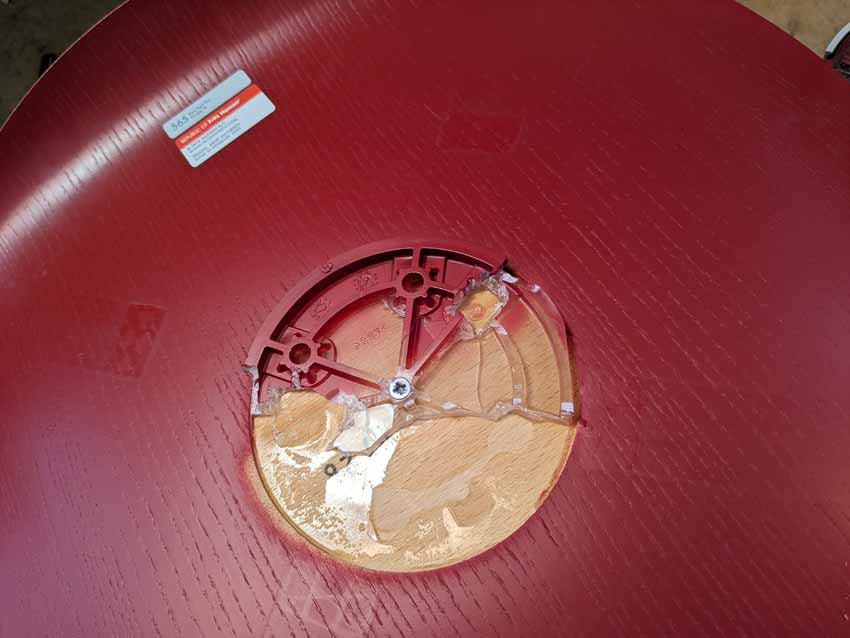
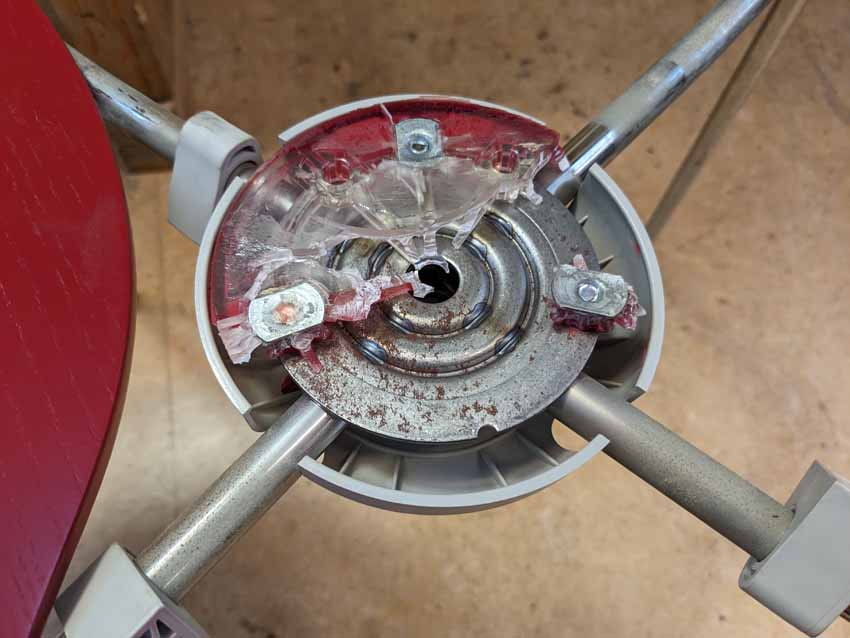
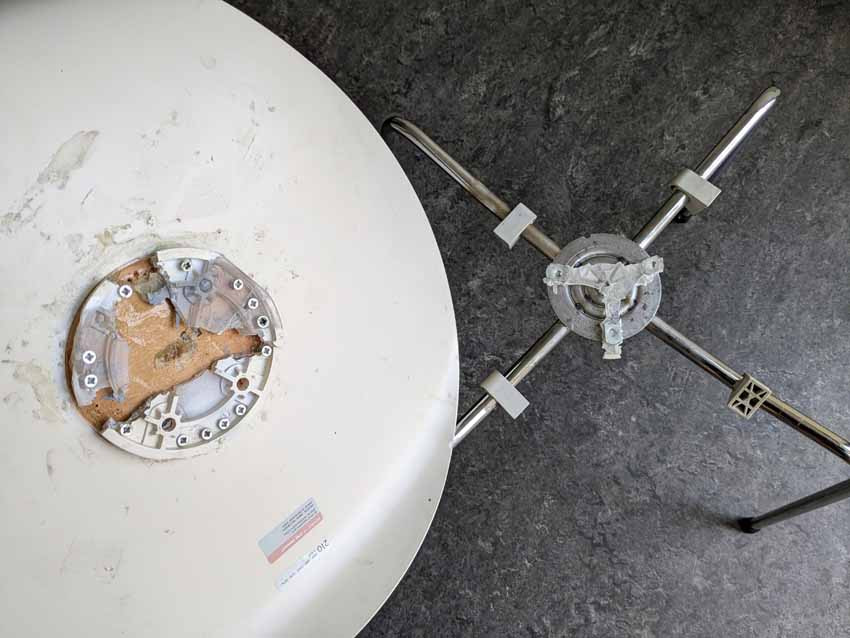
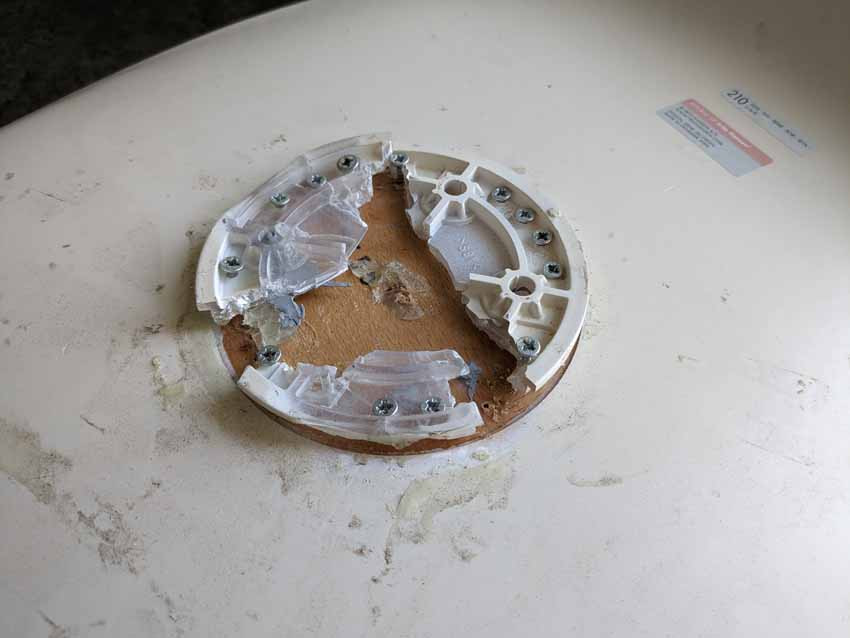



 Restauratie vraag? Stel ze hier.